
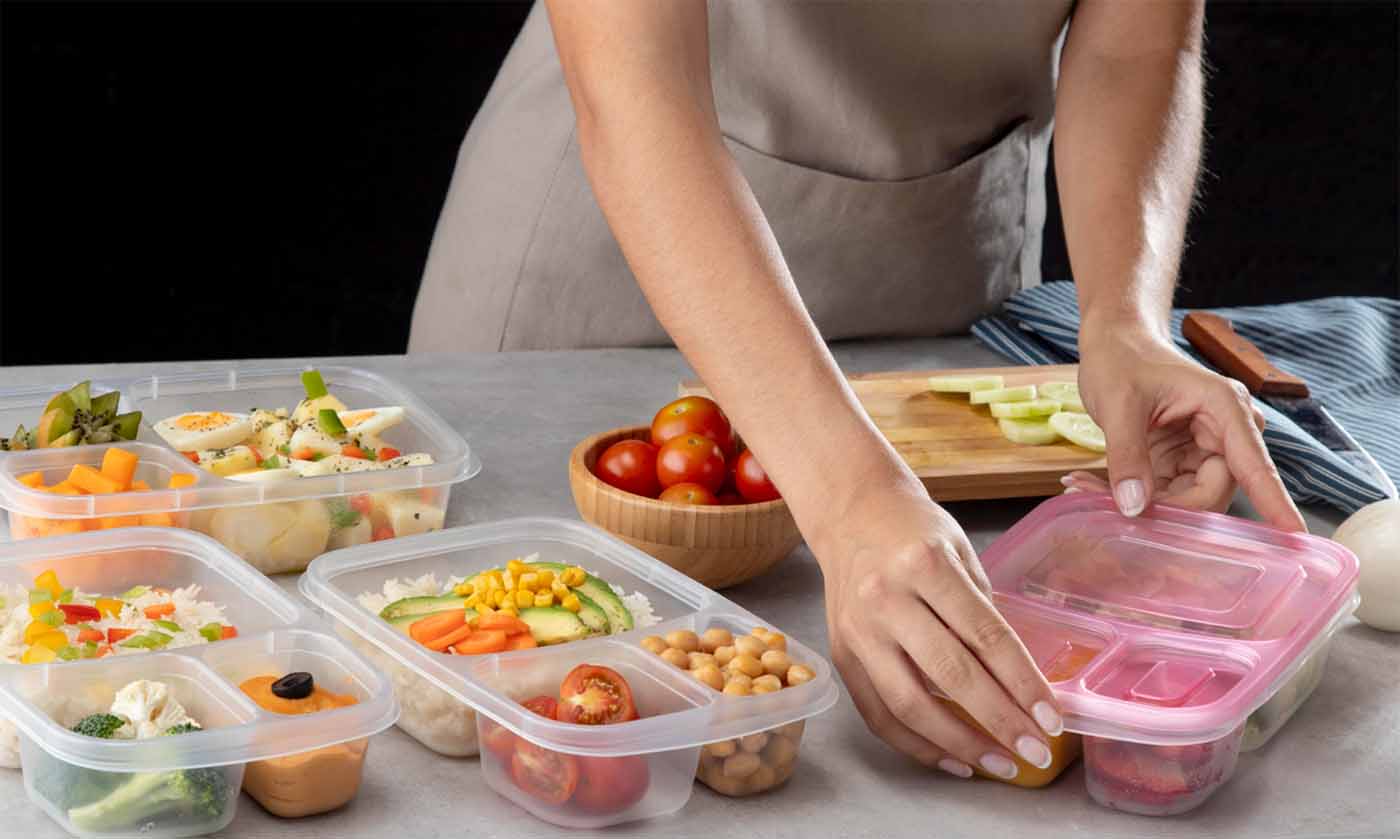
In our busy lives, healthy eating is often one of the first things to fall by the wayside. It can be tempting to reach for ready-made meals, order takeout, or eat out, but this isn't always the best choice for our health or our budget. Fortunately, there is a solution that can help us eat healthier while saving time: meal prepping. In this blog, we will share the benefits and techniques of meal prepping with you, as well as some handy tips on how to integrate this habit into your daily life.
What is Meal Prepping?
Meal prepping, or preparing meals, is a practice where you plan and prepare meals in advance. This means setting aside time on a specific day of the week to cook meals and divide them into the desired portions that you can eat throughout the week. The goal is to create healthy, balanced meals that are easily accessible when you need them. Meals that ensure that, with your busy life, you get your much-needed daily macronutrients will consume (fats, proteins, and carbohydrates).
The Benefits of Meal Prepping
- Time saving: One of the most obvious benefits of meal prepping is saving time. Instead of thinking about what you are going to eat every day and then to spend time When it comes to cooking, you only need to heat up a pre-prepared meal. This is especially convenient during busy workweeks.
- Healthier choices: Meal prepping gives you control over what you put in your meals. You can use healthy, fresh ingredients and avoid unhealthy options. This helps you achieve your nutritional goals and improve your overall health.
- Portion control: Dividing meals into portions helps control your calorie intake and portion sizes. This can contribute to weight management, the preventing overeating and ensure that you get the desired amount of protein, carbohydrates, and fats.
- Money saving: Eating out, having food delivered at home, and buying ready-made meals is duration. Meal prepping is generally much more budget-friendly, because you can buy products and ingredients yourself (or on sale) and therefore cook in larger quantities.
- Less food waste: With meal prepping, you can make full use of leftovers and ingredients, which reduces food waste. You use what you have instead of throwing food away.
- Better nutritional balance: By planning meals in advance, you can ensure a balanced daily diet. This means that you include proteins, carbohydrates, fats, fiber, you can include vegetables in every meal.
- Less stress: Meal prepping reduces the daily stress of “What are we eating tonight?” You always know what is available and you don’t have to worry about finding a suitable meal.
- Management of diet and health goals: Whether you are following a specific diet, such as a keto diet or a vegetarian diet, or you want to reduce your salt intake, meal prepping allows you to tailor meals precisely to your goals and wishes.
How to Start Meal Prepping
Meal prepping can seem overwhelming at first, but with a little planning and organization, you can soon experience the benefits. Here are a few steps to get started with meal prepping:
- Planning and recipes
Start by planning your meals. Think about which meals you want to prepare and look for matching recipes. Choose dishes that are easy to prepare and reheat, such as stews, soups, salads, and roasted vegetables. - Shopping list
Make a shopping list based on the recipes and portions you want to make. Ensure you have all the necessary ingredients on hand before you start cooking. - Plan a cooking day
Choose a day of the week when you have time to cook and prepare meals. This is best on the weekend, but it depends on your schedule. - Cooking and dividing
On your cooking day, start by preparing the meals according to the recipes. After the meals are cooked, divide them into individual portions. Use airtight containers to keep the meals fresh. - Storage and labeling
Store the portions in the refrigerator or freezer, depending on when you plan to eat them. Make sure to clearly label the containers with the contents and the date of preparation. - Daily organization
On weekdays, you simply need to heat up a pre-prepared meal and enjoy a healthy meal without the hassle.
Read some more handy tips for meal prepping here.
- Start simple: If you are new to meal prepping, start with a few simple recipes and don't make too many meals at once.
- Variety is the key: Ensure variety in your meals to prevent boredom. Try different dishes and ingredients.
- Use suitable containers: Invest in airtight, durable containers to store your meals.
- Shelf life: Take into account the shelf life of ingredients and meals. Use the meals that spoil fastest first.
- Cook as a team: If you have a family, involve your partner or children in preparing meals. It can be a fun family activity.
Experiment: Don't be afraid to experiment with new recipes and flavors. This keeps meal prepping interesting and fun.
Conclusion
Meal prepping is a practical habit that offers numerous benefits, including saving time, healthier eating habits, cost savings, and less food waste. It allows you to stay in control of your power supply and can contribute to improved overall health and well-being. With the right planning and organization, you can easily integrate meal prepping into your daily life and enjoy the benefits of healthy, homemade meals. So what are you waiting for? Get started and discover how meal prepping can help you achieve your goals and lead a healthier lifestyle.
Good luck with the meal prepping!
Do you have questions about a responsible composition of a diet?


 English
  Dutch
Dutch