
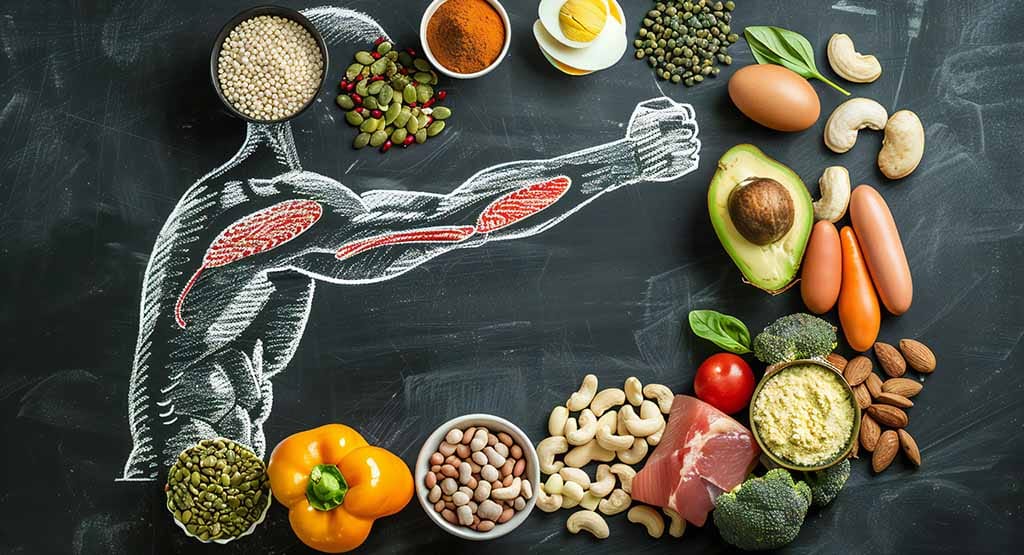
Superfoods have been a popular topic in the world of nutrition and health for years. From chia seeds and goji berries to spirulina and turmeric, these foods are often presented as miracle cures that boost your health in no time. But how much of this is actually true? In this blog, we take a closer look at the claims and separate facts from myths.
What exactly are superfoods?
The term “superfood” has no official scientific definition. It is used to describe foods that are exceptionally rich in nutrients such as vitamins, minerals, antioxidants, and healthy fats. Think of foods such as blueberries, avocados, nuts, and seeds. These products are often praised for their alleged health benefits, such as improving immunity, promoting weight loss, and even fighting diseases.
Although these foods are certainly nutritious, it is important to realize that no single food can solve all health problems. Yet, marketing claims often suggest the opposite.
Common claims about superfoods
Superfoods are often associated with impressive benefits. Here are some of the most commonly heard claims:
- Superfoods help you lose weight Many superfoods, such as chia seeds and green tea, are touted as weight-loss aids. The idea is that these foods speed up your metabolism or make you feel fuller. While some of these properties may be true, there is no magic ingredient that guarantees weight loss. Ultimately, weight loss is about a calorie deficit: you must burn more calories than you consume.
- Superfoods protect against cancer Some superfoods, such as turmeric and blueberries, contain antioxidants that can fight free radicals in the body. Free radicals are linked to cell damage and chronic diseases such as cancer. Although antioxidants are indeed beneficial, they are not a miracle cure. Healthy power supply In general, it contributes to disease prevention, not a single superfood.
- Superfoods improve your brain function Foods such as walnuts and avocados are often associated with better cognitive health. Although these products contain healthy fats and other beneficial substances that are good for the brain, the effects are often subtle and not exclusively attributable to a single food. A varied diet is key here as well.
Why the claims are often misleading
Many health claims surrounding superfoods are based on research conducted in a laboratory or on animal studies. This means that the results are not always applicable to humans. Furthermore, superfoods are often tested in isolation, whereas most people consume them as part of a meal. This can affect how nutrients are absorbed and processed by the body.
In addition, marketers often use exaggerated claims to sell products better. Words like “detox,” “super-powerful,” and “anti-aging” sound appealing, but are usually not scientifically substantiated. The problem is that consumers often think they can compensate for unhealthy eating habits by simply adding some superfoods to their diet.
The science behind some popular superfoods
Let's take a closer look at a few popular superfoods:
- Chia seeds Chia seeds are packed with fiber, omega-3 fatty acids, and protein. They help keep you feeling full longer, which can contribute to weight management. However, they are not a miracle cure; you must combine them with a balanced diet.
- Turmeric Turmeric contains curcumin, a substance with anti-inflammatory properties. Although curcumin can be useful for certain conditions, absorption in the body is low. Adding black pepper can improve absorption, but do not expect immediate health benefits.
- Goji berries Goji berries are often praised for their high content of antioxidants and vitamins. They are healthy, but comparable to other berries such as blueberries or raspberries. They are not a must for a healthy diet.
Are superfoods really necessary?
Although superfoods can certainly be healthy, they are not essential for a healthy diet. You can obtain many of the nutrients they contain from other, often cheaper foods. Think, for example, of seasonal vegetables, whole grains, and nuts. It is all about variety and balance.
The idea that a particular food can work wonders for your health is often too simplistic. Health is the sum of many factors, such as regular exercise, sufficient sleep, stress management, and a varied diet. Focusing excessively on one group of foods often distracts from the bigger picture.
How do you recognize nonsensical claims?
To avoid misleading claims, you can pay attention to the following:
- Scientific substantiation: Are the claims based on reliable studies with humans?
- Exaggerated languageWords like “miracle” or “instant” are often a red flag.
- Context: Is the superfood presented as a replacement for a healthy diet or lifestyle?
By remaining critical and keeping yourself well-informed, you avoid falling into the trap of marketing hype.
Conclusion: superfood or superhype?
Superfoods can be a valuable addition to your diet, but they are not a magic solution to health problems. It is important to view them as part of a broader eating pattern and not as a quick fix. Do not be misled by exaggerated claims and focus instead on a varied and balanced diet.
In short, feel free to enjoy your favorite superfoods, but keep your expectations realistic. Health is a marathon, not a sprint, and there are no shortcuts with superfoods.


 English
  Dutch
Dutch