
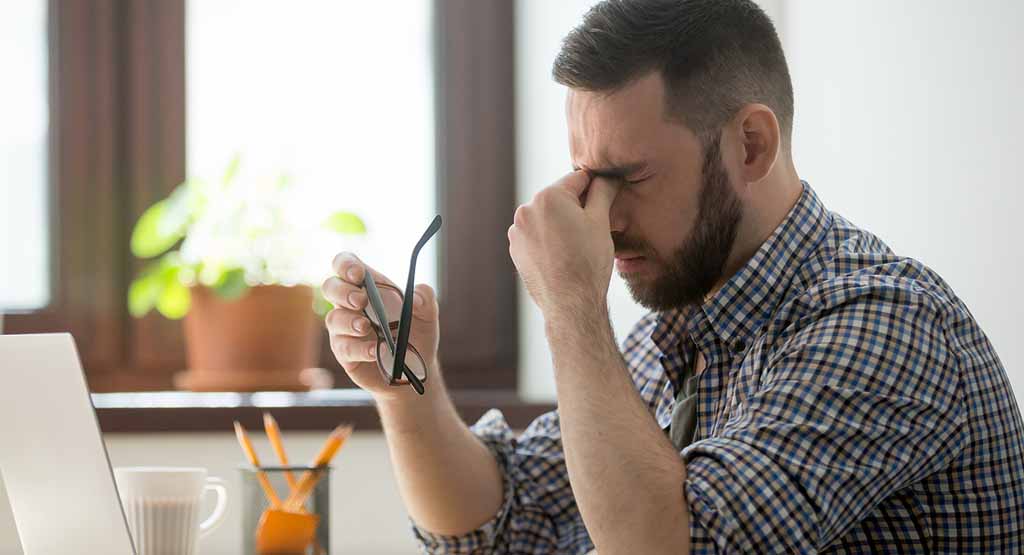
Everyone gets tired sometimes.
Fatigue can be caused by a short night or, conversely, a long, active day. Often, you can recharge your energy by getting a good night's sleep—colloquially known as refueling. However, if you experience prolonged fatigue that interferes with your daily activities, this can become a problem.
According to the Dutch Association for Sleep and Wake Research (NSWO), more than 40% of the Dutch population feels they do not get enough sleep. More than half are tired when they wake up. 15% is even very tired.
Poor sleep is often the cause of fatigue.
One of the causes of fatigue is insufficient sleep, which leads to a sleep debt that must be repaid (Dinges DF 2004, Horne J 2004). Sleep debt can be repaid by sleeping in and/or taking short naps. The required sleep varies for each individual, but the average for adults is 7–9 hours.
If you are tired for an extended period, it can have serious consequences for your health, affect your productivity, and potentially lead to weight gain.
Try out the tips below
- Ensure a quiet, dark, and cool bedroom.
- Ensure a comfortable bed and a fresh and tidy bedroom.
- Minimize screen time. Lounging in front of the TV or laptop might seem relaxing, but the blue light emitted by screens can affect our sleep. This is because they disrupt the circadian clock (day-night rhythm) and trigger an alarm signal. The advice is to turn off the device—smartphone, laptop, TV, etc.—at least 60 to 30 minutes before going to sleep.
- Stop drinking caffeine after 2 p.m.
- Do not drink alcoholAlcohol is a good aid to fall asleep, but it has a very negative impact on your sleep quality.
- You might find it difficult to exercise when you are already tired, but do it anyway! Exercise gives you energy. Exercising in green spaces is preferred. Intensive sports are not strictly necessary, but try to meet at least the NNGB (Dutch Standard for Healthy Exercise) by exercising for 30 minutes at least 5 times a week. This can be walking, cycling, or another form of low-intensity exercise.
- Manage your stress by doing more activities you enjoy and that give you energy.
- Schedule naps if you don't get enough hours of sleep to pay off your sleep debt.
Free initial consultation with lifestyle advice
Do you find it difficult to do this on your own? Then enlist the help of a lifestyle coach from RWIJK GYM. Together, we will create an achievable lifestyle plan that will ensure you function better in all aspects of your daily life.
Sources: Chivo, Dinges DF 2004, Horne J 2004.


 English
  Dutch
Dutch