

Our trainers and lifestyle coaches actively maintain their knowledge of nutrition and exercise techniques. But people are different. In terms of lifestyle coaching, a 30-year-old office worker needs a different format than a 50-year-old pastry chef. What do we look at?
People are different
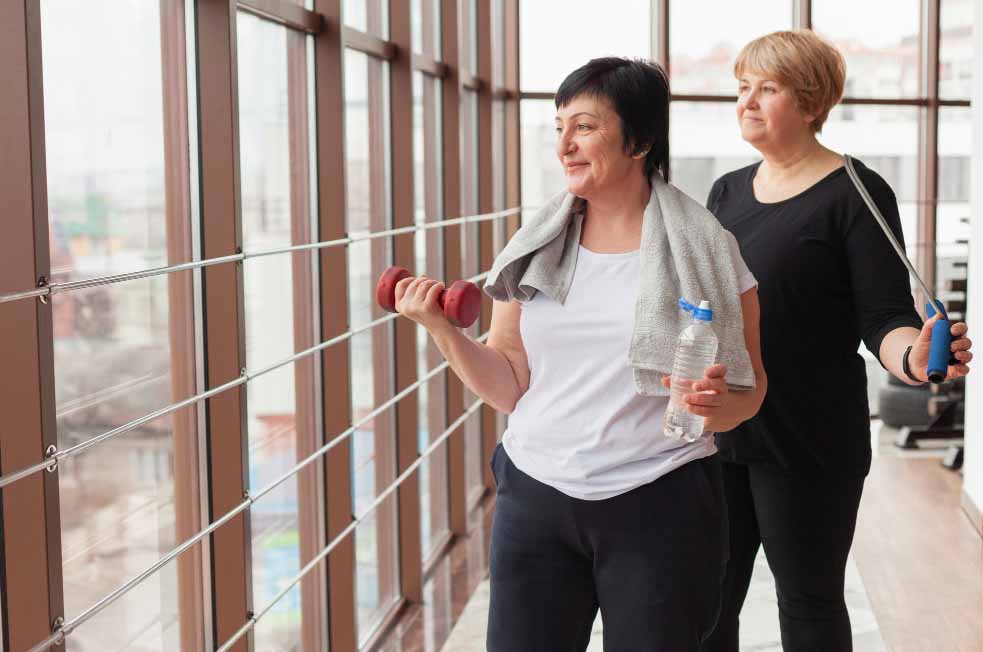
As personal trainers and lifestyle coaches, we know that it is important to be flexible and adapt our programs to the different needs and backgrounds of our members.
Here are some ways we do this:
1. Individual objectives: We always start with a thorough intake to understand our member's individual goals, fitness level, and any limitations. We then tailor the program to support these goals and take any limitations into account.
2. Age and physical capacity: Older members may have different needs than younger members, such as a greater emphasis on flexibility, stability, and functional movements. We adapt the program to take into account physical capacity and any limitations related to the member's age.
3. Gender and preferences: Some members may have specific goals based on their gender, such as muscle building for men or weight loss for women. We listen closely to the preferences and goals of these members and adapt the program to accommodate them. In this way, we still offer a balanced and effective workout.
4. Cultural background: We take into account the cultural background of and any cultural norms regarding power supply, body image and physical activity. We are respectful and sensitive to these differences and adapt our program to take them into account.
5. Personal preferences and interests: We incorporate the member's personal preferences and interests into the program. For example, some people prefer group classes, while others prefer individual training. By taking these preferences into account, we can ensure that the programs are motivating and enjoyable.
Guidance for expats
In this way, we also pay specific attention to expats when it comes to food and lifestyle, because they often deal with unique challenges and needs.
Here are some specific points to consider:
- Cultural differences in dietary patterns: expats often come from different countries and cultures, which can lead to differences in dietary habits and preferences. It is important to provide expats with information and support to maintain healthy eating habits within the context of their own cultural background.
- Access to trusted foods: expats may struggle to find familiar foods in their new country, especially if certain ingredients are unavailable or if the food culture is different. It is important to help expats find alternatives and adapt their diet without losing their cultural identity.
- Language barriers: Language barriers can make it difficult for expats to find information about nutrition and health. It is essential to make information available in multiple languages and to use culturally sensitive communication to reach and engage expats.
- Lifestyle factors: Next to Nutrition is also important for other lifestyle factors for the health of expats, such as physical activity, stress management, and sleep habits. It is important to provide expats with information and resources to promote a healthy lifestyle in their new environment.
- Social support: expats may feel isolated in a new environment, which can affect their dietary and lifestyle habits. It is important to provide social support, such as networking events, cooking workshops, and buddy programs, to help expats feel at home and maintain healthy habits.
In short, by paying specific attention to the needs of expats in the area of nutrition and lifestyle, we can support them in maintaining a healthy lifestyle and promote well-being in their new home country.

The EPO and expats
For example the European Patent Office (EPO) in Rijswijk utilizes expats to maintain a diverse and talented workforce. The agency recognizes that expats are indispensable to their organization.
Percentage of expats
The exact percentage of expats working at the EPO is not publicly available. However, according to a 2020 report by the European Commission, approximately 37% of the EPO staff from an EU country other than the Netherlands. This is significantly higher than the average of 161 TP3T for all EU institutions.
Reasons for using expats
The EPO uses expats for various reasons:
- Access to specialized skills: The agency needs employees with specialized skills in science, technology, and engineering. Not all of these skills are readily available in the Netherlands, so the EPO recruits talent from around the world.
- Diversity of ideas: The EPO recognizes that diversity of ideas and perspectives is important for innovation and creativity. By recruiting expats, the agency can offer a more diverse pool of talent.
- International appeal: The EPO is an international organization with users and partners all over the world. By recruiting expats, the agency can better reflect its international character and communicate more effectively with its international audience.
Support for expats
The EPO offers a number of support services to expats, including:
- Relocation fee: The agency can help expats with the costs moved from to the Netherlands.
- Language courses: The EPO offers language courses to help expats learn Dutch.
- Career guidance: The agency offers career guidance to expats to help them develop their careers at the EPO.
The EPO in Rijswijk utilizes expats to maintain a diverse and talented workforce. The agency offers a number of support services to expats to help them adapt to life in the Netherlands.
RWIJK GYM and support for expats.
With the EPO literally as a neighbor, RWIJK GYM is fully aware of the specific needs regarding the support of expats. The services provided to expats are tailored to their personal circumstances.


 English
  Dutch
Dutch