
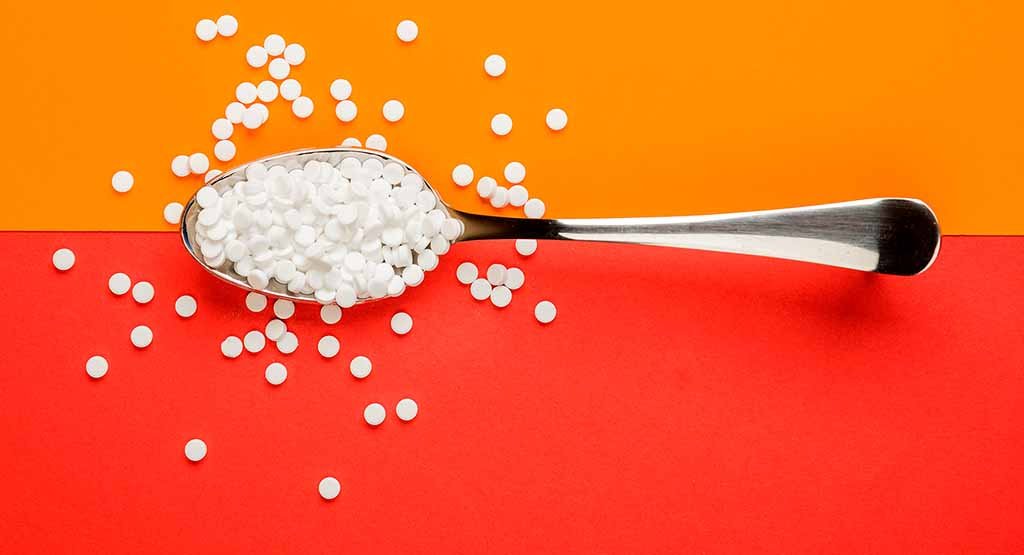
Sweeteners are a much-discussed topic in the food world these days. Concerns about their safety persist, but at the same time, they offer an alternative way to avoid sugar. But are they really that dangerous to your health, or are they actually a convenient substitute for sugar?
The origin of the craving for sweets
You are probably familiar with it: the craving for something sweet. But why do we have this tendency? This craving stems from our early childhood. The sweet taste of breast milk represents safety and pleasure, a feeling we have experienced from a young age. This innate preference ensures that sweeteners are used in many foods to provide that same sweet experience.
What is aspartame?
Aspartame is one of the most widely used artificial sweeteners. It is often added to products such as diet sodas, sugar-free chewing gum, candy, yogurt, and desserts. Aspartame is approximately 200 times sweeter than sugar, meaning only a small amount is needed to create the same sweet taste. This offers a low-calorie solution for people who want to limit their sugar intake, which can help with weight management.
Benefits of sweeteners
Sweeteners, such as aspartame, offer various benefits. They contain few to no calories, making them attractive to people who want to lose weight or maintain their weight. Additionally, they do not affect blood glucose levels, making them suitable for people with diabetes. They also do not contribute to tooth decay, unlike sugar, making them better for your teeth. Moreover, they can provide the same sweet taste without the extra calories that sugar brings.
Disadvantages of sweeteners
Although sweeteners offer benefits, they can also have disadvantages. Some sweeteners, especially with excessive use, can have a laxative effect, which can lead to gastrointestinal issues such as diarrhea and abdominal pain. Additionally, research shows that sweeteners do not always reduce cravings for sweets. Depending on the individual, this can cause people to still desire sweet foods, making it difficult to reduce overall sweet consumption.
Is aspartame safe?
Aspartame has gained a bad reputation due to claims that breaking down the substance in the body produces methanol, a potentially harmful substance. Fortunately, various studies show that the amounts of methanol released when consuming aspartame are comparable to what you ingest after eating a small apple. Professor of Nutrition Martijn Katan even states that the body can process these amounts of methanol without any problems.
Conclusion: sweeteners in moderation
Sweeteners such as aspartame offer clear benefits: they are low in calories, do not affect your blood sugar levels, and are gentle on your teeth. That is why they are popular in diet drinks and sugar-free candies. However, too many sweeteners can cause stomach upset, and they do not always help reduce cravings for sweets. This varies from person to person, but it remains important to use them in moderation.
All in all, sweeteners are not villains, as long as you use them wisely. They can be a handy way to avoid sugar and save calories, but it is always It is important to properly check the nutritional value of products to control. Sweeteners can be a smart choice for enjoying sweets without guilt, as long as you don't overdo it!
Avalon van Dijk
Course Power supply and Dietetics The Hague University of Applied Sciences
Need help from a nutritionist?


 English
  Dutch
Dutch