
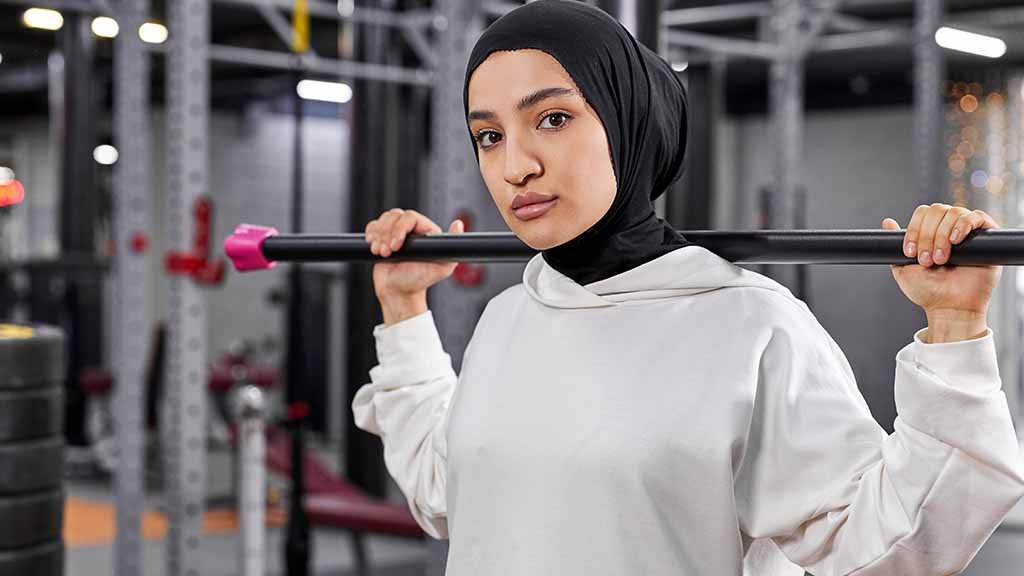
This is how you continue to achieve results during fasting
Ramadan is a special period of discipline, reflection, and focus for many athletes. At the same time, fasting—not eating or drinking from sunrise to sunset—brings extra challenges regarding training, recovery, and nutrition.
At RWIJK GYM, we believe that health and results can always go hand in hand with your lifestyle. Even during Ramadan, it is possible to continue training and maintain your results, provided you approach it smartly.
1. Temporarily adjust your goals
Ramadan is not the time for extreme peaks or rapid transformations. View this period as a phase of maintenance and optimization:
- Focus on maintaining strength rather than maximizing progress
- Work on technique, posture, and movement quality
- Slightly reduce your training volume
- Pay extra attention to mobility and control
Realistic goals provide calm, consistency, and a reduced risk of burnout.
2. Choose the right training time
Timing is crucial during fasting. There are two effective options:
Just before iftar (sunset)
Train on an empty stomach and can eat and drink immediately afterward. Keep the training shorter and less intense.
After iftar
Take a light first meal, wait 60–90 minutes and then train. Ideal for strength training, because your body already has fuel.
What we advise against: intensive training in the middle of the day without fluid intake.
3. Train smart, not harder
- Choose compound exercises with fewer sets.
- Avoid long or exhausting cardio
- Train 3–4 times a week instead of 5–6
- Listen carefully to signs of fatigue or dizziness.
Quality over quantity – especially during Ramadan.
Nutrition: the key to maintaining muscle mass
Because you have fewer eating occasions, every meal must be functional.
Suhoor (before sunrise)
- Slow carbohydrates (oatmeal, whole grain products)
- Proteins (eggs, cottage cheese, yogurt, protein)
- Healthy fats (nuts, avocado, peanut butter)
- Sufficient fluids and electrolytes
Iftar (at sunset)
- Start with water and optionally dates
- Combine proteins with carbohydrates and vegetables
- Eat mindfully and avoid overeating
Do you train in the evening? Then a protein-rich meal after your workout is essential for recovery.
Hydration
Between iftar and suhoor:
- Drink 1.5–2.5 liters of water
- Limit caffeine
- Avoid extremely low-salt food when sweating heavily.
Sleep & recovery
Late meals and early suhoor can put your sleep under pressure. Try:
- To maintain a regular sleep schedule
- to schedule power naps
- to limit screen use at night
Recovery is just as important as training itself.
Finally
Ramadan and results are not mutually exclusive. With the right planning, personal guidance and with a realistic approach, you can maintain your strength, protect muscle mass, and become mentally stronger.
At RWIJK GYM, we don't just help you to achieve your goals, but especially to them to retain – even during periods when your lifestyle calls for it.
Do you want to know how to continue training safely and effectively during Ramadan? Our personal trainers are happy to personally think along with you. Let's get personal!


 English
  Dutch
Dutch