
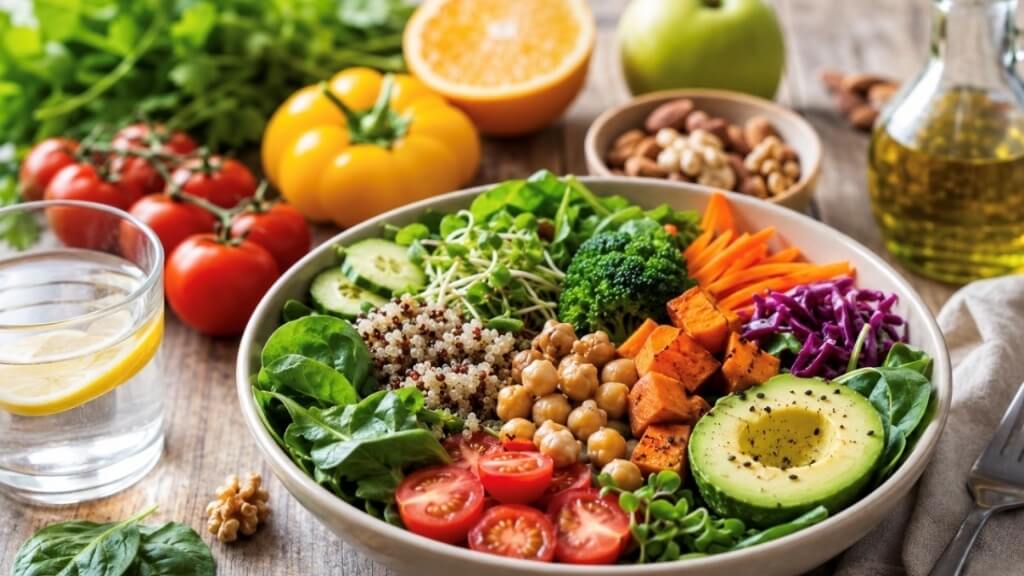
Eating healthy(er) while losing weight: 6 smart tips you can stick to
Healthy weight loss does not mean eating as little as possible. It is about choosing food that nourishes your body, satisfies you sufficiently, and fits into your daily life.
Your body needs various nutrients. Proteins help, among other things, with the building and maintenance of muscles. Carbohydrates and fats supply energy. Vitamins and minerals support various processes in the body.
To lose weight is ultimately a negative energy balance needed. That means that, on average, you consume slightly less energy than you expend. This doesn't have to mean you have to go hungry. With smart choices, you can eat nutritious, tasty, and satisfying food.
1. Eat plenty of fruits and vegetables
- Aim for at least 250 grams of vegetables and 2 servings of fruit daily. Vegetables and fruit provide fiber, vitamins, and minerals and usually contain relatively few calories.
- Don't wait until dinner to eat vegetables. For example, add tomato, cucumber, or bell pepper to your lunch, have raw vegetables as a snack, or incorporate extra vegetables into soup, sauce, or an omelet.
- Divide your vegetables over at least two meals. This makes 250 grams much easier to achieve.
2. Choose whole-grain products above all
- Whole-grain bread, oatmeal, brown rice, and whole-grain pasta contain more fiber than white varieties. Fiber contributes to a longer feeling of satiety.
- Do pay attention to the quantity. Whole-grain products are nutritious, but still provide energy. Therefore, combine them with sufficient vegetables and a protein source.
3. Add a protein source to every main meal
Proteins help maintain and repair muscles and can contribute to a feeling of satiety.
For example, choose:
• low-fat cottage cheese or yogurt;
• egg;
• fish or chicken;
• cottage cheese;
• tofu or tempeh;
• legumes.
Make your diet plant-based more often. Regularly choose legumes, nuts, seeds, and other plant-based protein sources.
A simple board layout is:
• half vegetables;
• a quarter potatoes or whole grain products;
• a quarter protein-rich diet.
4. Primarily choose soft and liquid fats
Unsaturated fats fit into a healthy diet. Think of olive oil, soft margarine, nuts, seeds, and avocado.
These products are healthy, but also high in energy. Therefore, be mindful of using a small portion. For example, measure oil with a spoon and take a small handful of nuts instead of eating directly from the package.
5. Drink as few calories as possible
- Water, tea, and coffee without sugar are good thirst quenchers.
- Sugary soft drinks, fruit juice, sweetened coffee, energy drinks, and alcohol provide a lot of calories quickly, while usually offering little satiety.
Do you find water boring? Then add mint, lemon, cucumber, or frozen fruit for extra flavor.
6. Choose an eating rhythm that suits you
You are not required to eat five or six times a day to lose weight. For some, three full main meals work well, while others benefit from one or two planned snacks. The most important thing is to eat mindfully and limit mindless snacking.
Plan your meals in advance, eat slowly, and listen to your sense of fullness.
Are you really hungry? Then choose, for example, fruit, raw vegetables, yogurt, or a small portion of unsalted nuts.
Make healthy eating easier
Make the healthy choice easier by:
• to make a shopping list in advance;
• to stock up on sufficient vegetables and fruit;
• to plan meals for busy days;
• to keep tempting products out of sight;
• to eat without a phone or television;
• prepare meals yourself as much as possible.
Supplements are not a substitute for a healthy diet. Extra vitamin D is recommended for some groups. If in doubt, seek personal advice regarding this.
Assignment for the next four weeks
Work on one new habit every week.
Week 1: Write down everything you eat and drink for three days. See, without judgment, where your greatest gains lie.
Week 2: Plan for at least 250 grams of vegetables and 2 portions of fruit every day.
Week 3: Add a protein source to every main meal and choose legumes at least once more.
Week 4: Drink mainly water, coffee, and tea without sugar, and plan in advance when you will consciously have a treat.
Write down one concrete change today that you will implement tomorrow.
Not: “I am going to eat healthier.”
Well: “Tomorrow I will have two handfuls of raw vegetables for lunch.”


 English
 Dutch