
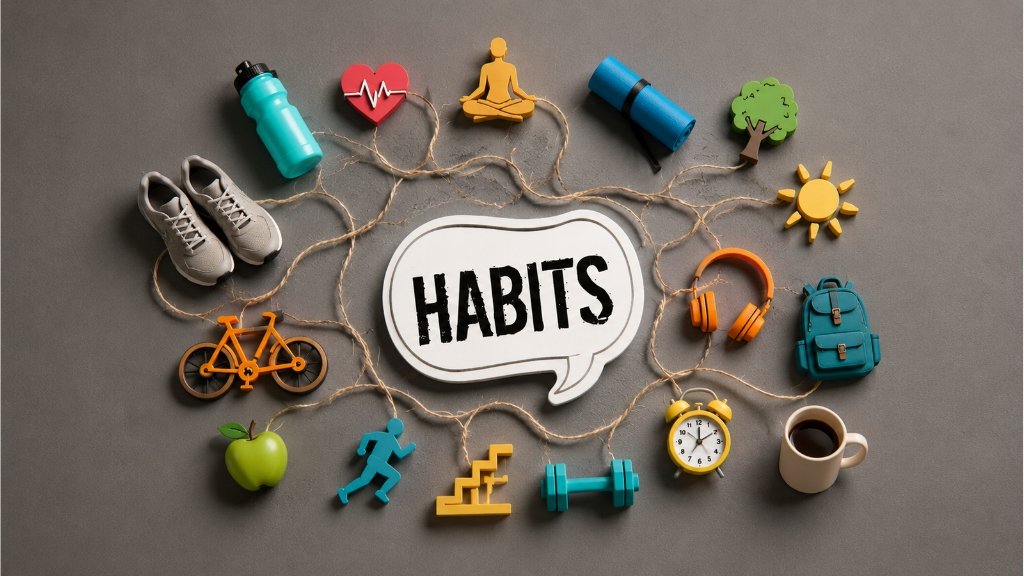
Living a healthier life doesn't have to mean spending several evenings a week at the gym. In fact, regular exercise at a moderate intensity is already extremely effective for your health. And that is often surprisingly easy to fit into daily life.
At RWIJK GYM, we believe that knowledge is the foundation of change. The better you understand what works, and what you can do yourself, the easier it becomes to make sustainable choices — without letting it take over your life or incur extra costs.
What is “enough” exercise according to the guidelines?
The recommendation for adults is to engage in at least 150 minutes of moderate-intensity physical activity per week. For children, this is 300 minutes per week. That might sound like a lot, but spread over the week, it is actually quite manageable.
Moderately intense exercise means your body is working: your breathing quickens, your heart rate increases, and you become slightly fatigued. You can still talk, but singing is no longer comfortable.
Think of activities such as brisk walking, leisurely cycling, swimming, active gardening, or playing outside with children. No complicated workouts, but movement that fits into your daily life.
Why planning is more important than motivation
Many people wait for the motivation to start exercising. The problem? Motivation is fickle. Structure works more reliably.
By consciously scheduling exercise, it becomes part of your routine. You lower the barrier to starting, prevent other matters from taking precedence, and increase the likelihood that you will stick with it. View exercise as an appointment with yourself, just as important as work or other obligations.
Are you (still) unable to exercise often? That is okay.
Perfection is not necessary, but progress is. If exercising five times a week feels like too much right now, start smaller. For example, three times a week or with short sessions of ten minutes.
Multiple short bursts of movement throughout the day also count. By linking movement to existing routines, such as a walk after dinner, it becomes easier and more natural. In the beginning, consistency is more important than intensity.
Start smart: how to make exercise feasible
Choose fixed days and times so that exercising becomes less of a decision and more of a habit. Make your plans concrete: not “exercise more”, but “walk for half an hour on Wednesday at 7:00 PM”.
Make it easy for yourself by laying out your workout clothes, planning routes in advance, or meeting up with someone. Then build up gradually: start by moving more often, then for longer periods, and only later become more intense.
The real goal: to see yourself as someone who moves
Ultimately, it is not about ticking off minutes, but about identity. The greatest change occurs when you think: “I am someone who moves,” instead of “I must move.” That is the key to lasting behavioral change.
Practical assignment: your exercise plan for the coming week
Choose a starting point that suits you, schedule it concretely in your calendar, and think in advance about what you will do if the planned time doesn't work out. Reflect after a week: what went well, what was difficult, and what will you adjust?
Finally
Every step towards more movement counts. It doesn't have to be perfect; starting is enough.
At RWIJK GYM, we share these insights because we believe that knowledge empowers people. The better you understand what you can do yourself, the greater the chance of achieving your results and a fitter, more vital, and healthier lifestyle — your way!


 English
  Dutch
Dutch